
No invented percentages
Recycling outcomes depend on vehicle composition, condition, facility, and local markets.
We explain how vehicle reuse and recycling can reduce waste while avoiding unsupported promises about recovery rates, carbon savings, or a specific buyer’s practices.
Recycling outcomes depend on vehicle composition, condition, facility, and local markets.
Vehicle fluids, batteries, refrigerants, and damaged high-voltage systems need capable operators.
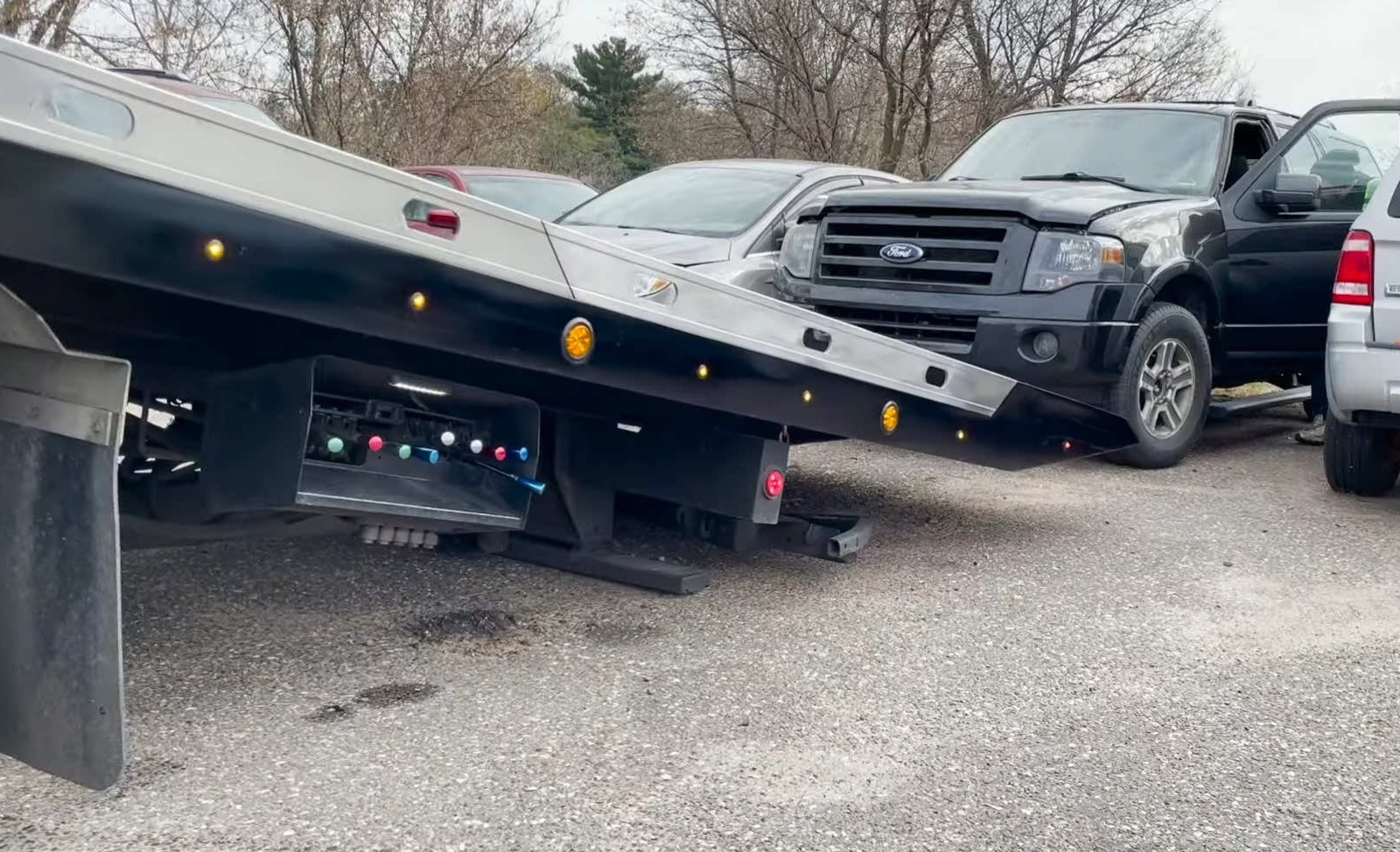
Owners should ask where the vehicle goes and keep a transfer or pickup record.
The best outcome is not simply a fast pickup or a large headline number. It is a clear vehicle transfer with an understood payment, workable access, correct documents, and a buyer that can handle the actual condition.
An end-of-life vehicle contains usable parts, metals, tires, glass, fluids, and other materials. Leaving it to deteriorate can waste those resources and create leakage or safety risks.
Reusing a serviceable component avoids producing a replacement part. Recycling recovers material for another manufacturing cycle. Both can be useful, but neither justifies claiming that every part is saved.
Service categories help owners find recyclers, wreckers, salvage yards, parts businesses, and scrap-car pickup options. Profiles also remind owners to confirm actual practices.
You can want the vehicle gone quickly and still ask for the net offer, payment timing, collector identity, pickup requirements, and transfer record before releasing it.
Read the consumer safety guidesNo. A directory profile is not an environmental certification.
Not automatically. Repair can extend a vehicle’s life when it is safe and economically reasonable.
Ask where the vehicle will be taken and how fluids, batteries, tires, and reusable parts are handled.