Depollution first
Fluids, batteries, and regulated components require controlled handling.
A responsible end-of-life process typically verifies ownership, removes fluids and hazardous components, evaluates reusable parts, and separates recyclable materials.
Fluids, batteries, and regulated components require controlled handling.
Safe reusable parts can extend the life of other vehicles.
Steel, aluminum, copper, glass, plastics, and other materials follow different recovery paths.
The best outcome is not simply a fast pickup or a large headline number. It is a clear vehicle transfer with an understood payment, workable access, correct documents, and a buyer that can handle the actual condition.
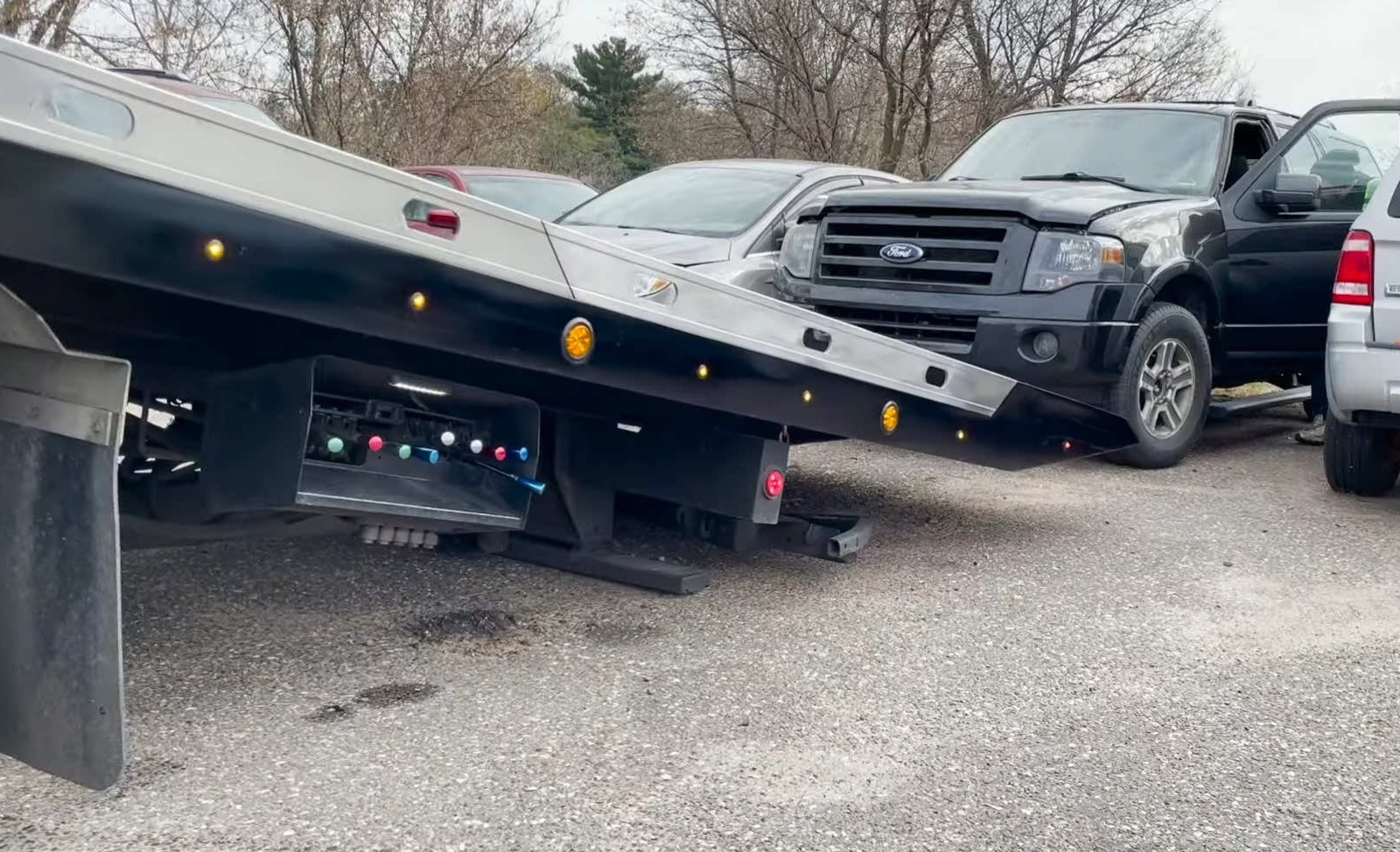
Not every buyer dismantles or processes vehicles at the pickup location. Some collect vehicles for a licensed yard or downstream recycler. Ask where the vehicle is going and what documentation you receive.
A complete vehicle gives a recycler more predictable parts and material recovery. Missing engines, converters, batteries, wheels, and body components can change both value and handling.
Controlled depollution helps keep fuel, oil, coolant, brake fluid, refrigerants, and battery materials out of soil and water. Proper records also create a clearer chain of custody after pickup.
You can want the vehicle gone quickly and still ask for the net offer, payment timing, collector identity, pickup requirements, and transfer record before releasing it.
Read the consumer safety guidesNo. Parts need sufficient condition and demand. Other materials may be recycled or disposed of through appropriate channels.
Not necessarily. A collector may transport the vehicle to another yard or processing facility.
Ask where vehicles go, how ownership is documented, and whether the receiving facility follows applicable environmental and recycling rules.